
Farm, Farmworker & Community Food Grower Listening Sessions
The Farm & Food Working Group will conduct listening sessions across Lane County and remotely with farmers, farmworkers, community food growers. These sessions will center the experiences of those currently producing or hoping to produce food for people experiencing food insecurity and help us understand current efforts, barriers, and opportunities to strengthen food access.
Our Approach
The listening sessions will gather qualitative input from Lane County growers about shared challenges, opportunities, and efforts to improve food security for food insecure populations.
The Audience
In an effort to have all perspectives shared openly and equitably, we will separate or combine the audiences into the following categories based on the expected number of participants and location.
Farmers & Farmworkers
Community Food Growers (backyard, urban and rural homesteaders, community gardeners)
Or a combination of both
Click on the accordion below to learn more about the sessions.
-
Tuesday, February 17
5:30-7:00 PM
Location: The BarrowFacilitator: Kelly Hardin (UWSWCD)
Co-Facilitator: Jade (Farmworker)
Co-Facilitator: Jessica (Farmer & lived experience)
Co-Facilitator: Sarah (lived experience)
Notetakers: UO students
-
Details coming soon
Facilitator: Eric Richardson (Beyond Toxics)
Co-Facilitator: Katrina Van Dis (Grow Lane County consultant)
Co Facilitator: Jessica (Farmer & lived experience)
Notetakers: UO students
-
Wednesday, February 18
5:30 - 7:00 PM
Location: Twinberry CommonsFacilitator: Kelly Hardin (UWSWCD)
Co-Facilitator: Jade (Farmworker)
Co Facilitator: Jessica (Farmer & lived experience)
Notetakers: UO students
-
Information coming soon
Facilitator: Katrina Van Dis (Grow Lane County consultant)
-
Thursday, March 12
5:30 - 7:00 PM
Remote (Zoom)Facilitator: Kelly Hardin (UWSWCD)
Co-Facilitator: Jared (UWSWCD)
-
Tuesday, March 17
5:30 - 7:00 PM
Remote (Zoom)Facilitator: Katrina Van Dis (Grow Lane County consultant)
Co-Facilitator: Christina (Farmer)
Co Facilitator: Naomi (UO)
Questions? Please contact Kelly Hardin
Food & Farm Working Group Overview
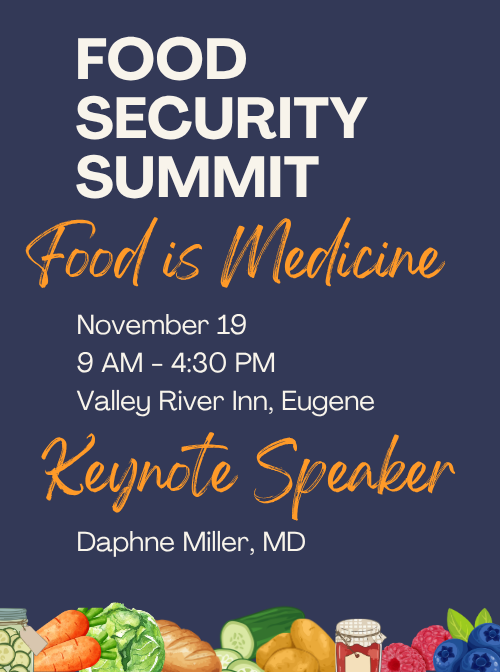
The Farm & Food Working Group was formed in 2025 following the Food Security Summit to unite farmers, farmworkers, community food growers, food access organizations, and community partners. The group’s goal is to elevate producer voices, strengthen farm-to-community connections, reduce food waste, and build an economically just food system where growing and accessing healthy food is recognized as a basic human right.
The first project of this working group is to gather direct input from food producers on priorities, barriers, and opportunities related to improving local food access in Lane County for food-insecure communities.
Space is limited
RSVP Here
A project of Lane Community Health Council, Upper Willamette SWCD, FOOD for Lane County & Ensoterra, LLC
Building a resilient and sustainable food system and investing in the health of our community through collaboration.
Project Overview
The Grow Lane County Project is the result of an investment by the Lane Community Health Council (LCHC) to address the social determinants of health that affect residents, particularly those experiencing a high rate of food insecurity.
To meet the priorities identified in the project, LCHC will collaborate with FOOD For Lane County, the Upper Willamette Soil & Water Conservation District and Ensoterra, a food systems consultant, to deliver a comprehensive five-year project.
The overall goal is to improve the health quality for residents through improved access to Lane County foods primarily, and Oregon-grown secondarily.
Carrie Copeland (FFLC) and Grant Simonton (UWSWCD)
Building a Food System
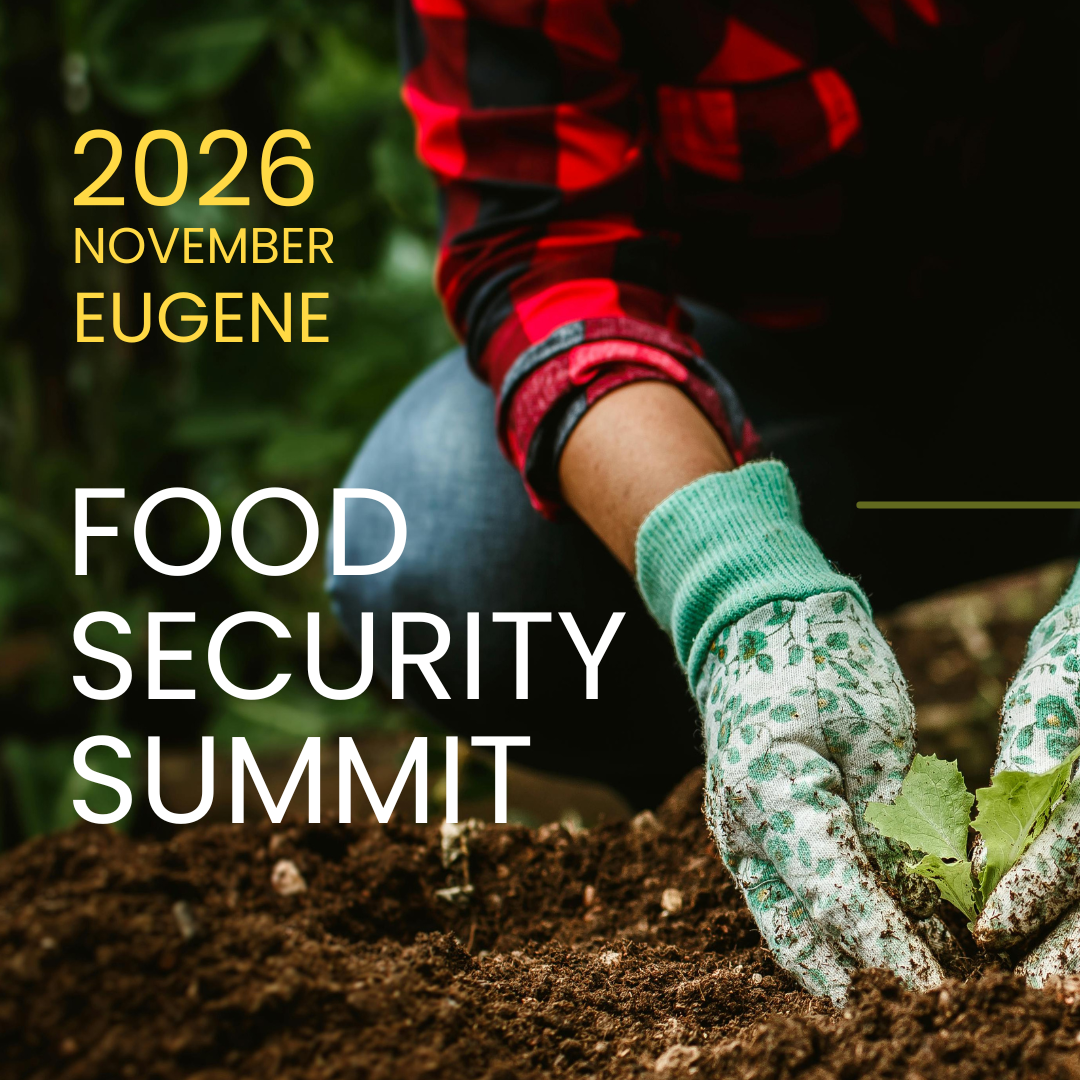
Food security means having access to safe and nutritious food that meets a person’s needs and preferences. A reliable food system can provide for a healthy diet and can be a powerful tool for increasing and improving food security. The development of a Food Security Coalition is a method by which individuals from diverse backgrounds can share their insight and improve regional food security, together.
As the first step in this five-year project, we hosted community meetings with identified stakeholders involved in education, government, food distribution, hunger relief, health, food businesses and lived experience in Fall 2024 and ask them to identify other community members to initiate a Coalition.
A Food & Farm RARE Coordinator is conducting a county-wide food needs assessment, and the findings will be presented at the Food Summit.
Long Term Goals
Our five-year goals for both the Council and the Project in general are to:
Support Coalition-identified projects that address health disparities, patient-centered education about food security, public health campaigns with health departments focused on food access, educational programs and health promotion activities.
Host four annual one-day food security conferences (Summit).
Improve decision making and diversity of engagement.
Decrease duplications of services.
“Food security is when all people have access to safe and nutritious food that meets their needs and preferences.”
— World Bank